Introduction to Data Science: Data Science คืออะไร? จาก Data สู่ Intelligence เพื่อการตัดสินใจทางธุรกิจ
ในยุคที่องค์กรมีข้อมูลเพิ่มขึ้นอย่างมหาศาล ความได้เปรียบไม่ได้เกิดจากคำถามว่า “ใครมี Data มากที่สุด” อีกต่อไป แต่เกิดจากคำถามที่สำคัญกว่า คือ ใครสามารถเปลี่ยน Data ให้กลายเป็น Intelligence และนำไปสู่การตัดสินใจที่ดีกว่าได้เร็วกว่า
Data Science จึงกลายเป็นหนึ่งในความสามารถสำคัญขององค์กรสมัยใหม่ เพราะทำหน้าที่เชื่อมระหว่าง Data, Analytics, Statistics, Machine Learning, Artificial Intelligence และ Business Decision-Making
IBM อธิบาย Data Science ว่าเป็นศาสตร์ที่ผสานคณิตศาสตร์ สถิติ Programming, Advanced Analytics, Artificial Intelligence และ Machine Learning เข้ากับความรู้เฉพาะด้าน เพื่อค้นหา Actionable Insights จากข้อมูล และนำไปสนับสนุนการตัดสินใจและการวางแผนเชิงกลยุทธ์ขององค์กร
AWS ให้นิยามในทิศทางเดียวกันว่า Data Science เป็นแนวทางแบบสหสาขาวิชา ซึ่งรวม Mathematics, Statistics, Artificial Intelligence และ Computer Engineering เพื่อวิเคราะห์ข้อมูลและสร้าง Insight ที่มีความหมายต่อธุรกิจ
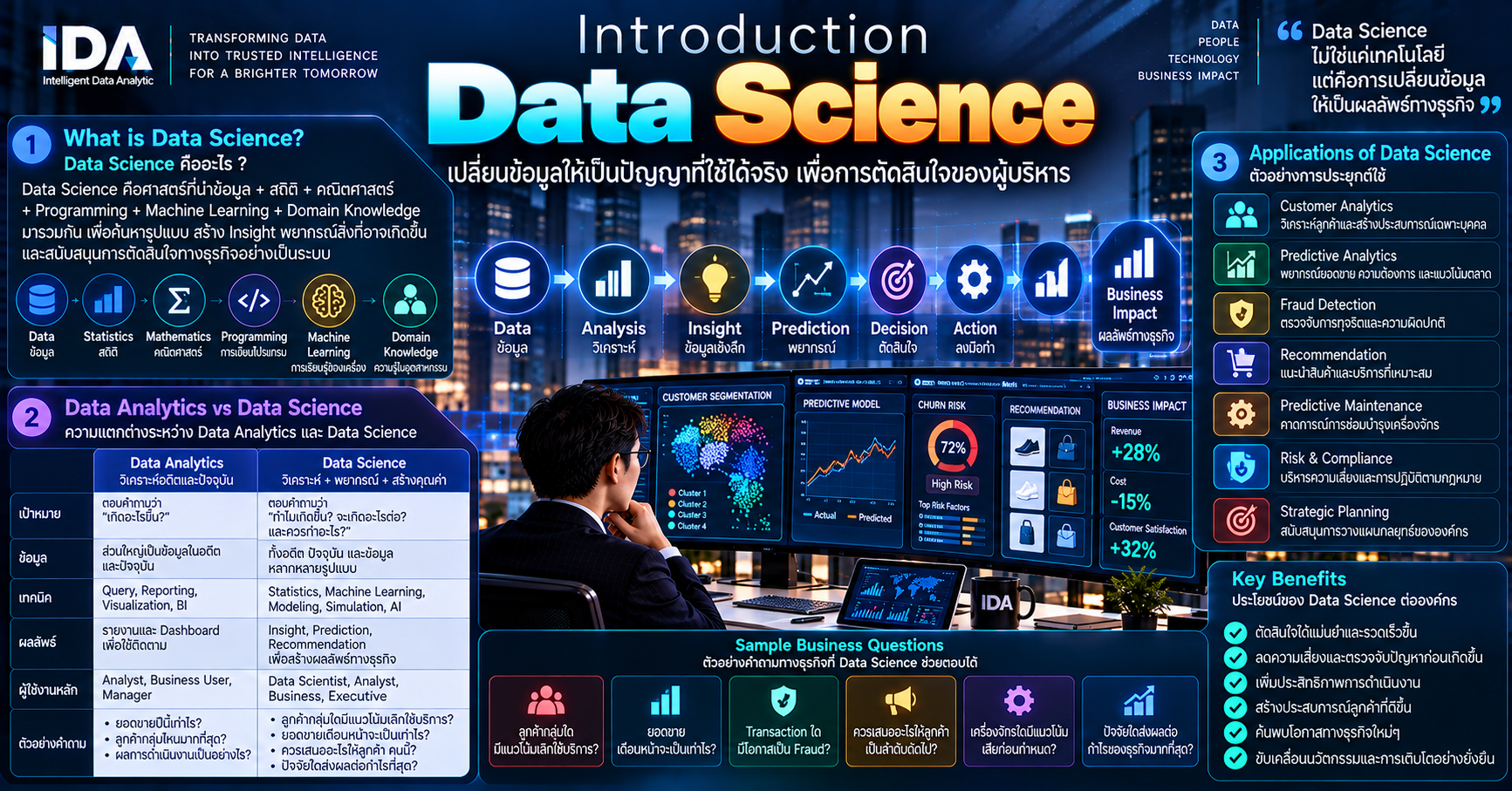
สำหรับองค์กร เป้าหมายของ Data Science จึงไม่ใช่เพียงการสร้าง Model แต่คือ Data → Analysis → Insight → Prediction → Decision → Action → Business Impact
1. What is Data Science? Data Science คืออะไร
Data Science คือศาสตร์ที่นำ Data + Statistics + Mathematics + Programming + Machine Learning + AI + Domain Knowledge มาทำงานร่วมกัน เพื่อค้นหารูปแบบที่ซ่อนอยู่ในข้อมูล อธิบายสิ่งที่เกิดขึ้น พยากรณ์สิ่งที่อาจเกิดขึ้น และช่วยให้องค์กรตัดสินใจบนหลักฐานมากขึ้น
ข้อมูลที่ใช้ไม่ได้จำกัดอยู่เฉพาะข้อมูลแบบ Structured Data เช่น Database หรือ Transaction เท่านั้น IBM ระบุว่า Data Science สามารถทำงานกับข้อมูลได้หลากหลายรูปแบบ ทั้ง Structured และ Unstructured Data รวมถึง Customer Data, Log Files, Video, Audio, Images, IoT และ Social Media Data
ตัวอย่างคำถามทางธุรกิจที่ Data Science สามารถช่วยตอบ ได้แก่
- ลูกค้ากลุ่มใดมีแนวโน้มเลิกใช้บริการ?
- ยอดขายเดือนหน้ามีแนวโน้มเป็นเท่าไร?
- Transaction ใดมีความเสี่ยงเป็น Fraud?
- ลูกค้าควรได้รับข้อเสนอใดเป็นลำดับถัดไป?
- เครื่องจักรใดมีแนวโน้มเสียก่อนกำหนด?
- พฤติกรรมใดใน Network อาจเป็น Cyber Threat?
- ประเด็นใดใน Social Media กำลังพัฒนาเป็น Reputation Risk?
- ปัจจัยใดส่งผลต่อ Revenue, Cost หรือ Profit ขององค์กรมากที่สุด?
ดังนั้น Data Science จึงไม่ใช่แค่เรื่องของ Dashboard หรือ Machine Learning Model แต่เป็นกระบวนการเปลี่ยน Raw Data → Meaning → Prediction → Intelligence → Business Action
2. Data Analytics vs Data Science ต่างกันอย่างไร?
Data Analytics และ Data Science มีความเกี่ยวข้องกันอย่างใกล้ชิด และในองค์กรจริงขอบเขตของทั้งสองด้านอาจทับซ้อนกัน ความแตกต่างสำคัญจึงไม่ได้อยู่เพียงที่ Tool แต่รวมถึง ประเภทของคำถามและผลลัพธ์ที่องค์กรต้องการ
| มิติ | Data Analytics | Data Science |
|---|---|---|
| เป้าหมาย | เข้าใจข้อมูลและ Performance | ค้นหารูปแบบ พยากรณ์ และสร้าง Model |
| คำถาม | What happened? Why? | What may happen? What could we do? |
| ข้อมูล | Structured Data เป็นหลัก | Structured + Unstructured Data |
| เทคนิค | SQL, BI, Statistics, Visualization | Statistics, ML, AI, Programming |
| Output | Report, Dashboard, Insight | Prediction, Model, Recommendation |
| Sales | วิเคราะห์ยอดขาย | Forecast ยอดขาย |
| Customer | วิเคราะห์ Churn Rate | Predict ลูกค้าที่มีแนวโน้ม Churn |
| Fraud | วิเคราะห์ Fraud ที่เกิดขึ้น | ประเมิน Fraud Risk ก่อนเกิดความเสียหาย |
องค์กรที่มี Data Maturity สูงจึงมักพัฒนาความสามารถจาก
Descriptive → Diagnostic → Predictive → Prescriptive → Decision Intelligence
Descriptive Analytics — What happened?
ตอบคำถามว่า เกิดอะไรขึ้น
ตัวอย่าง: ยอดขายไตรมาสนี้ลดลง 12%
Diagnostic Analytics — Why did it happen?
วิเคราะห์ว่า ทำไมจึงเกิดขึ้น
ตัวอย่าง: ยอดขายลดลงจาก Customer Segment A และ Region B เป็นหลัก
Predictive Analytics — What is likely to happen?
ใช้ข้อมูลและ Model เพื่อประเมินสิ่งที่อาจเกิดขึ้น
ตัวอย่าง: Model ประเมินว่า Segment A มีแนวโน้มลดลงต่อในเดือนหน้า
Prescriptive Analytics — What could we do?
นำผลวิเคราะห์มาพิจารณาทางเลือกในการดำเนินการ
ตัวอย่าง: ระบบเสนอ Retention Campaign สำหรับลูกค้าที่มี Churn Risk สูง
Decision Intelligence — What decision should be made?
นำ Data, Analytics, Prediction, Business Context และ Risk มาประกอบกันเพื่อสนับสนุนการตัดสินใจ
Evidence → Prediction → Options → Risk → Recommendation → Decision
3. Data Science Lifecycle: จาก Business Problem สู่ Business Impact
หนึ่งในข้อผิดพลาดที่พบบ่อยในการเริ่มโครงการ Data Science คือเริ่มต้นจากคำถามว่า
“เรามี Data อะไรบ้าง?”
คำถามนี้สำคัญ แต่ไม่ควรเป็นคำถามแรกเพียงคำถามเดียว
สิ่งที่ควรถามก่อนคือ
“องค์กรกำลังพยายามแก้ Business Problem หรือสนับสนุนการตัดสินใจอะไร?”
แนวคิดนี้สอดคล้องกับ CRISP-DM — Cross-Industry Standard Process for Data Mining ซึ่งเป็น methodology ที่ใช้ในการจัดโครงสร้างวงจรของโครงการ Data Mining/Data Science โดย IBM อธิบายว่า CRISP-DM ครอบคลุมขั้นตอนต่าง ๆ ของโครงการ และกระบวนการสามารถย้อนกลับระหว่างแต่ละ Phase ได้ตามความจำเป็น ไม่จำเป็นต้องเป็นเส้นตรงตลอดเวลา
สำหรับองค์กร สามารถประยุกต์ Data Science Lifecycle ได้เป็น
Business Problem → Data → Data Preparation → Exploration → Modeling → Evaluation → Deployment → Monitoring → Business Impact
Business Understanding
กำหนดปัญหา Business Objective และ KPI ให้ชัดเจน เช่น ลด Customer Churn 10% ภายใน 12 เดือน ดีกว่าการกำหนดเพียงว่า สร้าง Churn Prediction Model เพราะ Model เป็นเพียงเครื่องมือ ส่วน Business Outcome คือเป้าหมายที่แท้จริง
Data Collection
รวบรวมข้อมูลจากแหล่งต่าง ๆ เช่น
CRM → ERP → POS → Website → Mobile Application → Social Media → IoT → Cybersecurity Logs → External Data
Data Preparation
ข้อมูลที่ได้มักยังไม่พร้อมสำหรับการวิเคราะห์ จึงต้องผ่านกระบวนการ เช่น Clean → Transform → Integrate → Validate คุณภาพของ Data Foundation มีผลโดยตรงต่อคุณภาพของ Analytics และ AI ที่สร้างขึ้น
Exploratory Data Analysis
สำรวจข้อมูลเพื่อค้นหา Pattern → Trend → Correlation → Distribution → Outlier → Anomaly ก่อนตัดสินใจเลือก Model
Modeling
เลือก Statistical Model หรือ Machine Learning Algorithm ให้เหมาะกับปัญหา เช่น Regression → Classification → Clustering → Forecasting → Anomaly Detection → Recommendation
Evaluation
Model ที่ดีไม่ได้วัดเฉพาะ Accuracy แต่ควรพิจารณา Accuracy + Reliability + Explainability + Bias + Risk + Business Relevance
NIST AI Risk Management Framework เน้นให้การประเมินและบริหารความเสี่ยงของ AI ครอบคลุมตลอดวงจรชีวิตของระบบ และให้ความสำคัญกับคุณลักษณะ เช่น Validity, Reliability, Safety, Security, Resilience, Accountability, Transparency, Explainability, Privacy และการจัดการ Harmful Bias
Deployment
นำ Model ออกจาก Notebook หรือ Lab ไปเชื่อมกับ Business Workflow จริง เช่น Prediction API → CRM → Sales Team → Recommended Action
Monitoring
หลัง Deploy ต้องติดตามต่อเนื่อง เช่น Model Performance → Data Drift → Model Drift → Error → Bias → Security → Business KPI
การบริหารความเสี่ยงจึงไม่ควรสิ้นสุดในวันที่ Model ถูก Deploy โดย NIST ระบุว่าการจัดการ AI Risk ควรเป็นกระบวนการต่อเนื่องตลอด AI System Lifecycle
Business Impact
ขั้นสุดท้ายคือวัดว่าโครงการสร้างผลลัพธ์ทางธุรกิจจริงหรือไม่ Revenue ↑ → Cost ↓ → Productivity ↑ → Customer Experience ↑ → Risk ↓
4. Applications of Data Science: Data Science ใช้กับธุรกิจอะไรได้บ้าง?
Data Science สามารถนำไปประยุกต์ใช้ได้แทบทุก Function ขององค์กร
Marketing & Customer Intelligence
สามารถพัฒนาจาก Customer Data → Segmentation → Churn Prediction → Customer Lifetime Value → Recommendation → Next Best Action → Personalization
ตัวอย่างเช่น แทนที่จะรอให้ลูกค้ายกเลิกบริการแล้วจึงวิเคราะห์สาเหตุ องค์กรสามารถใช้ข้อมูลเพื่อประเมินว่า
ลูกค้าคนใดมีแนวโน้มจะจากไป และควรดำเนินการอะไรเพื่อรักษาลูกค้ารายนั้น
นี่คือการเปลี่ยนจาก Reactive Analytics → Predictive Intelligence
Sales Intelligence
Data Science สามารถสนับสนุน Lead Scoring → Opportunity Prediction → Sales Forecast → Cross-sell → Upsell → Next Best Offer
ทำให้ Sales Team ไม่จำเป็นต้องให้ความสำคัญกับ Lead ทุกคนเท่ากัน แต่สามารถจัดลำดับตาม Probability × Value × Timing
Finance & Risk
ตัวอย่างการใช้งาน ได้แก่ Revenue Forecast → Cash Flow Prediction → Credit Risk → Fraud Detection → Financial Anomaly Detection
ทำให้องค์กรสามารถเปลี่ยนจากการตรวจสอบสิ่งผิดปกติย้อนหลัง ไปสู่การค้นหา Risk Signal ได้เร็วขึ้น
Operations & Supply Chain
สามารถประยุกต์ใช้กับ Demand Forecast → Inventory Optimization → Supply Chain Analytics → Route Optimization → Predictive Maintenance
ตัวอย่างเช่น Machine Data → Failure Prediction → Preventive Action → Reduce Downtime
เป้าหมายจึงไม่ใช่แค่ทำนายว่าเครื่องจักรจะเสีย แต่ต้องทำให้ Prediction นั้นนำไปสู่ Action ก่อนเกิด Business Loss
Cybersecurity & Fraud Intelligence
Data Science มีบทบาทสำคัญต่อ Cybersecurity ผ่านการวิเคราะห์ข้อมูลจำนวนมาก เช่น Log Data → Behavioral Pattern → Anomaly Detection → Threat Detection → Risk Scoring → Incident Prioritization
ช่วยค้นหารูปแบบที่อาจเกี่ยวข้องกับ Fraud → Account Takeover → Malware → Insider Threat → Abnormal Network Activity และช่วยให้ Security Operation สามารถจัดลำดับ Incident ตาม Risk แทนการจัดการ Alert ทุกเหตุการณ์ในระดับเดียวกัน
5. Social & Reputation Intelligence: จาก Mention สู่ Early Warning
Social Media สร้างข้อมูลจำนวนมหาศาล แต่จำนวน Mention เพียงอย่างเดียวไม่ใช่ Intelligence
สิ่งที่ผู้บริหารต้องการทราบจริงอาจเป็น
ประเด็นอะไรเกิดขึ้น?
ใครกำลังขับเคลื่อน Narrative?
Sentiment เปลี่ยนไปอย่างไร?
ประเด็นกำลังขยายตัวเร็วเพียงใด?
มี Reputation Risk หรือไม่?
องค์กรควรตอบสนองเมื่อใด?
Data Science สามารถเปลี่ยนกระบวนการจาก
Social Data → Sentiment → Topic → Entity → Narrative → Network → Risk Signal → Early Warning
ทำให้ Social Listening พัฒนาจาก Monitoring Tool ไปสู่ Social & Reputation Intelligence
และสามารถเชื่อมกับ Executive Dashboard หรือ Executive Alert เพื่อช่วยให้ผู้บริหารเห็นเฉพาะ Signal ที่มีนัยสำคัญต่อการตัดสินใจ
6. Healthcare Data Science
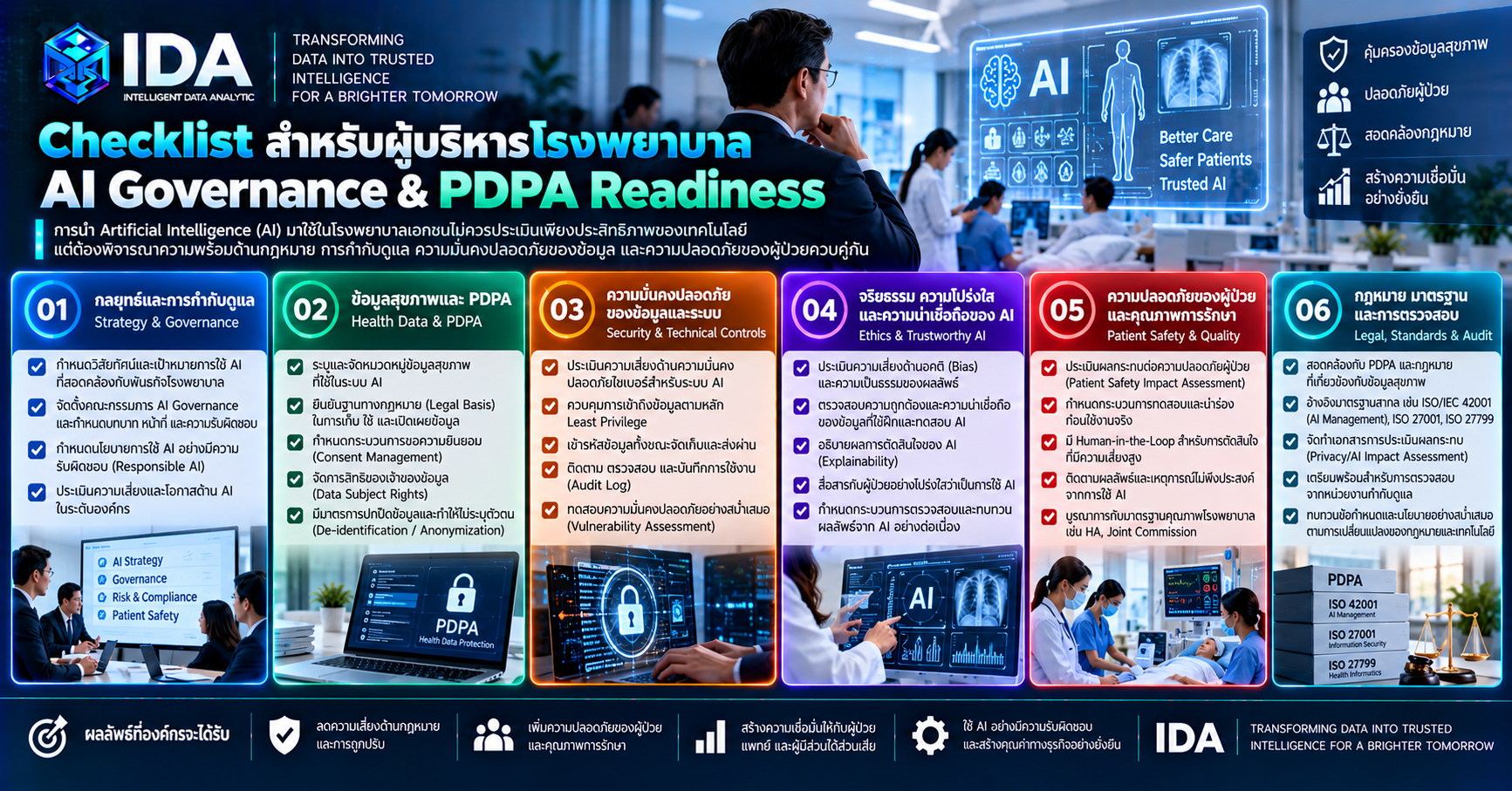
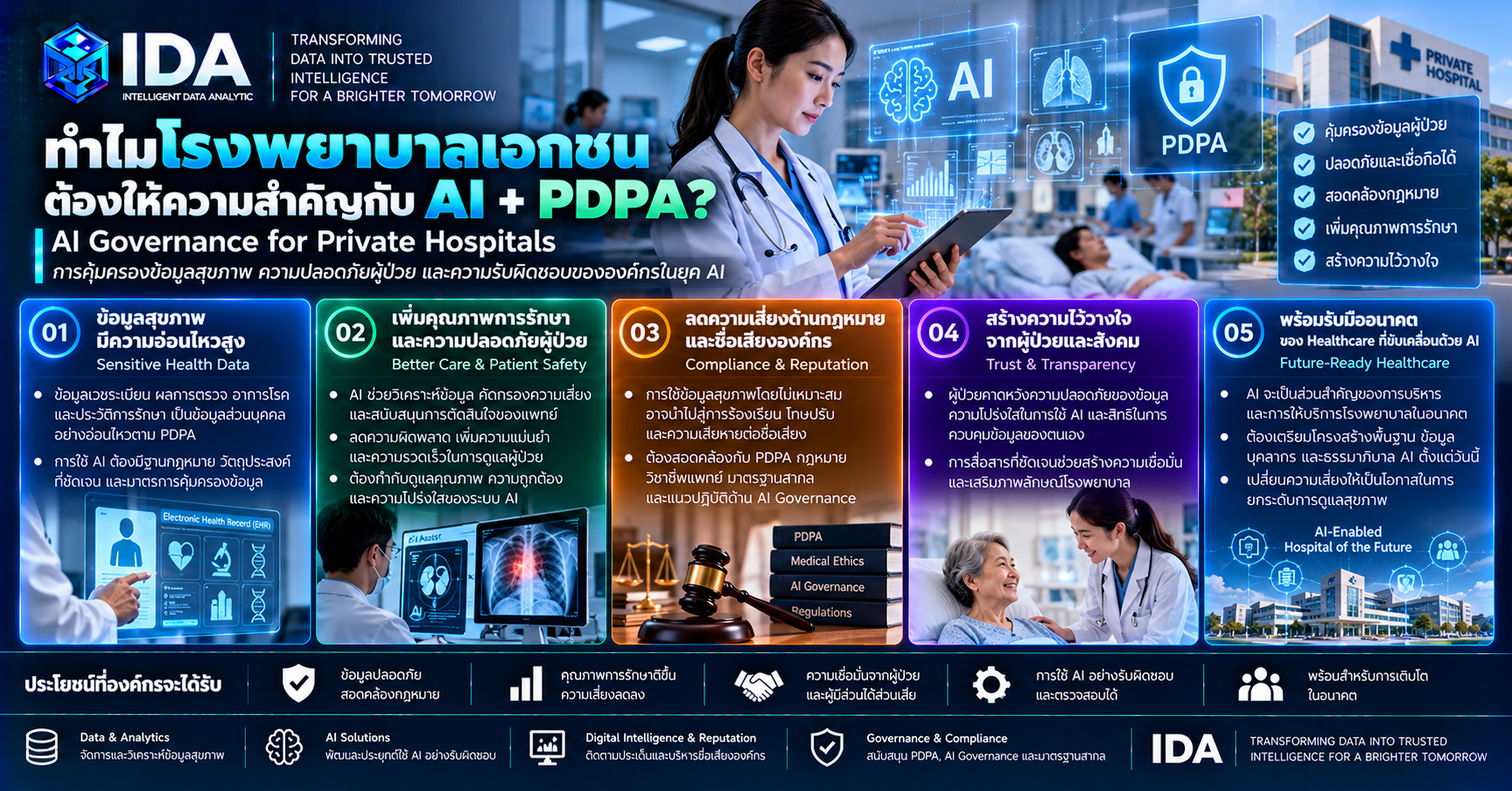
Healthcare เป็นอีกหนึ่งอุตสาหกรรมที่ Data Science และ AI มีศักยภาพสูง เช่น Clinical Data → Risk Prediction → Patient Journey Analytics → Resource Planning → Operational Intelligence อย่างไรก็ตาม Healthcare Data มีความอ่อนไหวสูง การนำ AI มาใช้จึงต้องให้ความสำคัญกับ Data Governance, Privacy, Security, Transparency และ Human Oversight OECD ระบุว่า AI มีศักยภาพต่อระบบสุขภาพ แต่การขยายการใช้งานยังเผชิญความท้าทายจาก Data Foundation ที่กระจัดกระจาย ตลอดจน Governance, Privacy, Security, Transparency และ Oversight
7. Data Science + AI: เมื่อ Analytics เชื่อมกับ Generative AI และ Agentic AI
Data Science ยุคใหม่กำลังเชื่อมกับ AI มากขึ้น จากเดิม Data → Analytics → Model → Prediction
กำลังพัฒนาไปสู่ Data → Analytics → Machine Learning → Generative AI → Agentic AI → Decision Intelligence
Generative AI ทำให้ผู้ใช้สามารถสื่อสารกับข้อมูลด้วย Natural Language
ตัวอย่างเช่น ผู้บริหารถามว่า “ทำไมยอดขายภาคตะวันออกลดลงในไตรมาสนี้?”
ระบบอาจช่วย Retrieve Data → Analyze → Compare → Identify Drivers → Generate Executive Summary
ทำให้ Data Analytics สามารถเข้าถึงผู้ใช้ทางธุรกิจได้ง่ายขึ้น
8. จาก Generative AI สู่ Agentic AI
Agentic AI เพิ่มความสามารถอีกขั้นจากการสร้างคำตอบ ไปสู่การวางแผนและใช้เครื่องมือภายใต้สิทธิ์ที่กำหนด
Conceptual workflow สามารถมองได้เป็น Goal → Retrieve Data → Analyze → Reason → Recommend → Use Authorized Tools → Execute Authorized Action → Monitor
ตัวอย่างเช่น ระบบพบว่าลูกค้ากลุ่มหนึ่งมี Churn Risk สูง
ระบบอาจ Detect Risk → Analyze Cause → Recommend Retention Offer → Request Approval → Execute Approved Action → Measure Result
จุดนี้ทำให้ Data Science เริ่มเชื่อมกับ Business Workflow โดยตรง
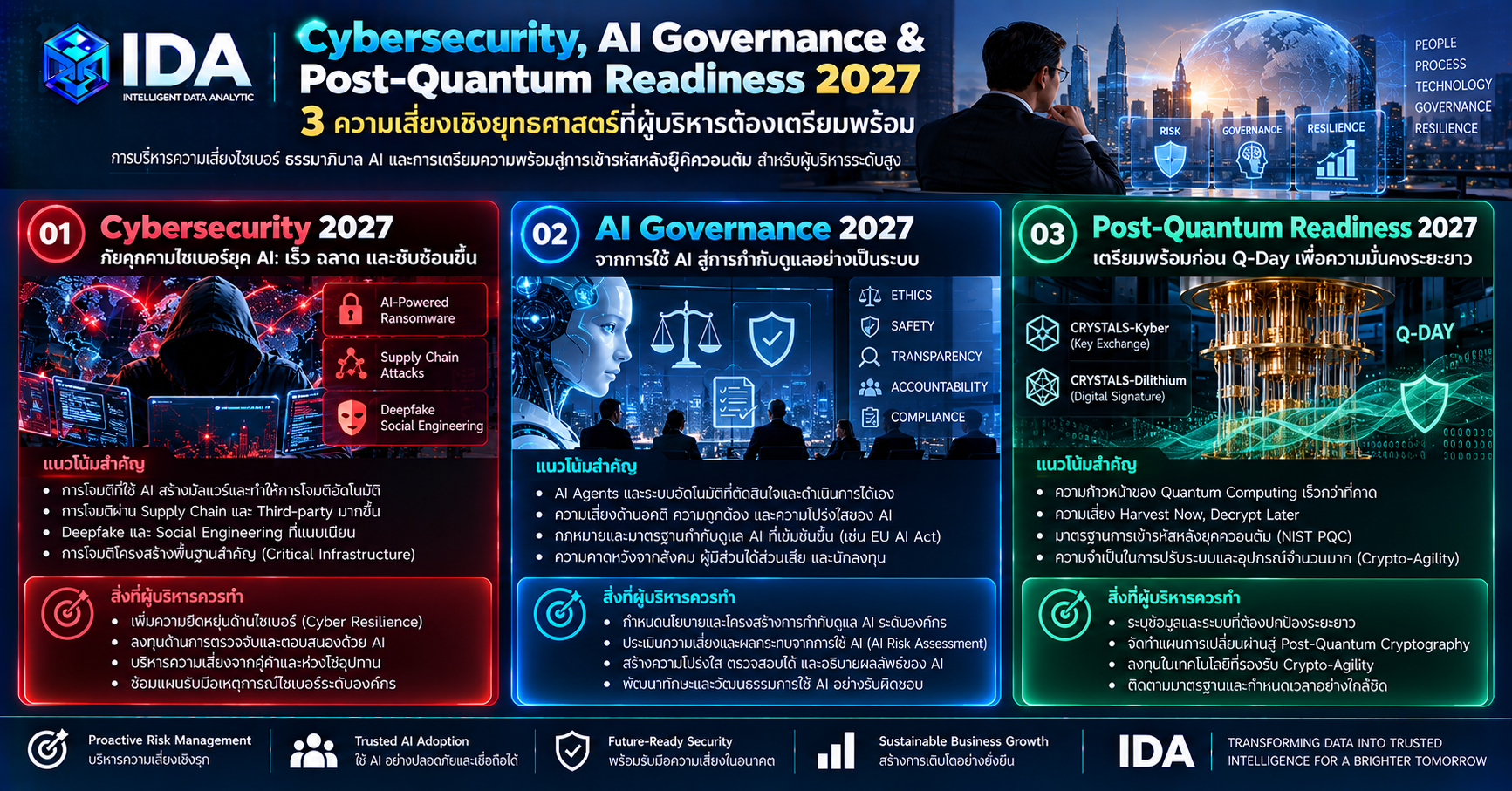
แต่เมื่อ AI มีบทบาทต่อการตัดสินใจและ Action มากขึ้น Governance ก็ยิ่งสำคัญ
NIST AI RMF เสนอกรอบการบริหาร AI Risk ผ่าน 4 Functions ได้แก่ Govern, Map, Measure และ Manage และมอง Governance เป็นองค์ประกอบที่เชื่อมอยู่ตลอดกระบวนการ
OECD AI Principles ยังให้ความสำคัญกับ Human Agency and Oversight, Transparency, Explainability, Robustness, Security, Safety และ Accountability ตลอด AI Lifecycle
ดังนั้น More AI Autonomy → More Governance Required
9. Data Scientist ไม่ได้มีหน้าที่แค่สร้าง Model
บทบาทของ Data Scientist ในองค์กรไม่ควรถูกจำกัดอยู่เพียง Machine Learning
ความสามารถที่สำคัญคือการเชื่อม Business Knowledge + Data + Statistics + Programming + Machine Learning + AI + Communication
เพราะ Model ที่มี Accuracy สูงมากแต่ไม่สามารถนำไปใช้กับ Business Process จริง อาจสร้าง Business Value ต่ำกว่า Model ที่เรียบง่ายกว่าแต่สามารถนำไปใช้ตัดสินใจได้จริง
ดังนั้น Best Model ≠ Best Business Solution
สิ่งที่องค์กรต้องการคือ Right Problem + Right Data + Right Model + Right Decision + Right Action
10. จาก Data Science สู่ Decision Intelligence
สำหรับผู้บริหาร จุดหมายปลายทางไม่ควรเป็นเพียง “องค์กรเรามี Data Science Team แล้ว”
หรือ “เรามี AI แล้ว” คำถามที่สำคัญกว่าคือ “องค์กรสามารถตัดสินใจได้ดีขึ้นจาก Data และ AI หรือยัง?”
นี่คือจุดที่ Data Science เชื่อมกับ Decision Intelligence องค์กรสามารถพัฒนา Data Maturity จาก Data → Analytics → Insight → Prediction → Intelligence → Decision → Action → Business Impact
เมื่อ Data Science เชื่อมกับ Strategy เป้าหมายจึงไม่ใช่เพียงสร้าง Model แต่คือการสร้าง Decision Capability ให้กับองค์กร
11. Data & Analytics สำหรับองค์กรควรเริ่มจากตรงไหน?
สำหรับองค์กรที่กำลังเริ่มต้นหรือยกระดับ Data & Analytics ไม่จำเป็นต้องเริ่มจาก AI Model ที่ซับซ้อนที่สุด ควรเริ่มจาก Business Question ที่มี Impact ชัดเจน เช่น
Revenue: อะไรคือปัจจัยที่ทำให้รายได้เติบโตหรือลดลง?
Customer: ลูกค้ากลุ่มใดมี Value สูงและกลุ่มใดกำลังจะ Churn?
Marketing: Campaign ใดสร้าง Conversion และ Business Impact จริง?
Operations: จุดใดสร้าง Cost หรือ Bottleneck?
Risk: Signal ใดสามารถใช้เป็น Early Warning ได้?
Executive: ข้อมูลใดที่ผู้บริหารต้องเห็นก่อนตัดสินใจ?
จากนั้นจึงออกแบบ Business Question → Data Architecture → Analytics → AI/ML → Visualization → Intelligence → Decision Workflow
12. IDA Data & Analytics: เปลี่ยนข้อมูลให้เป็น Intelligence สำหรับผู้บริหาร
สำหรับ Intelligent Data Analytic (IDA) แนวคิดสำคัญของ Data & Analytics ไม่ได้หยุดอยู่ที่การสร้าง Dashboard
แต่คือการเชื่อม Data → Analytics → AI → Intelligence → Executive Decision-Making
เพื่อช่วยให้องค์กรสามารถนำข้อมูลจากหลายแหล่งมาสร้าง Insight, Prediction, Risk Signal และ Decision Support ที่นำไปใช้กับธุรกิจได้จริง
แนวทางสามารถครอบคลุมตั้งแต่
Data Integration
→ Business Intelligence & Dashboard
→ Advanced Analytics
→ Predictive Analytics
→ Machine Learning & AI
→ Customer Intelligence
→ Social & Reputation Intelligence
→ Risk & Early Warning
→ Executive Intelligence
เป้าหมายไม่ใช่เพียงการทำให้ผู้บริหาร “เห็นข้อมูล”
แต่คือทำให้ผู้บริหารสามารถ Understand Faster → Detect Earlier → Predict Better → Decide Smarter → Act Faster
Key Takeaway
Data Analytics ช่วยตอบ
What happened? → Why did it happen?
Data Science เพิ่มความสามารถในการตอบ
What is likely to happen?
และ
What could we do about it?
ขณะที่ Decision Intelligence เชื่อม Data, Analytics, Prediction, Risk และ Business Context เข้ากับคำถามที่สำคัญที่สุด
What decision should we make?
ดังนั้น เป้าหมายสูงสุดขององค์กรไม่ใช่การมี Data มากที่สุด หรือสร้าง AI Model ที่ซับซ้อนที่สุด แต่คือความสามารถในการเปลี่ยน Data ให้เป็น Intelligence ที่นำไปสู่การตัดสินใจและผลลัพธ์ทางธุรกิจ
Data → Intelligence → Better Decision → Better Action → Business Impact
References & Global Sources
- IBM — What is Data Science?
อธิบายนิยาม Data Science, Data Science Lifecycle, Structured/Unstructured Data และการสร้าง Actionable Insights - IBM — CRISP-DM in IBM SPSS Modeler / CRISP-DM Overview
แหล่งอ้างอิงสำหรับ Cross-Industry Standard Process for Data Mining และ Data Mining Lifecycle - Amazon Web Services (AWS) — What is Data Science?
อธิบาย Data Science ในฐานะ multidisciplinary approach ที่รวม Mathematics, Statistics, AI และ Computer Engineering - NIST — Artificial Intelligence Risk Management Framework (AI RMF)
กรอบบริหาร AI Risk และ Trustworthy AI ตลอดวงจรชีวิตของระบบ - NIST AI RMF Core — Govern, Map, Measure, Manage
กรอบสำหรับนำ AI Risk Management ไปใช้ในองค์กรอย่างเป็นระบบ - OECD AI Principles
หลักการระดับสากลด้าน Human-Centred AI, Fairness, Privacy, Transparency, Explainability, Security, Safety และ Accountability - OECD — Scaling Artificial Intelligence in Health
ข้อมูลอ้างอิงด้าน AI/Data ใน Healthcare และข้อพิจารณาเรื่อง Data Foundation, Privacy, Security, Transparency และ Governance
อาจารย์ ปรเมศร์ เพียรสกุล
ประธานเจ้าหน้าที่บริหาร (Chief Executive Officer)
บริษัท อินเทลลิเจนท์ ดาต้า อนาไลติกส์ จำกัด (IDA)
CEO | AI, Cybersecurity & Digital Risk Strategist
Digital Crisis & Reputation Management
Certified AI Governance Professional (AIGP) | Data Protection Officer (DPO)
เกี่ยวกับผู้เขียน
Poramate Piansakul
Professional Certifications
Transforming Data into Trusted Intelligence for Executive Decision-Making
Related IDA Services
ศึกษาบริการ Data & Analytics ของ Intelligent Data Analytic (IDA) เพื่อยกระดับข้อมูลจาก Dashboard และ Reporting ไปสู่ Advanced Analytics, AI, Intelligence และ Executive Decision Support
IDA Insight Hub:
Insight Hub – Intelligent Data Analytic
IDA Data & Analytics:
Data & Analytics – Intelligent Data Analytic
#DataScience #DataAnalytics #DecisionIntelligence #MachineLearning #BusinessIntelligence